
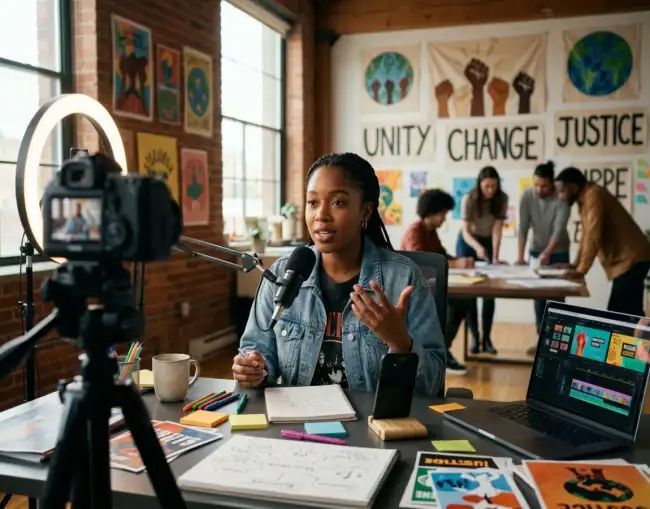
In an era where attention is the world's most valuable currency, the modern creator economy has evolved far beyond entertainment, product unboxings, and lifestyle vlogging. Today's digital architects wield unprecedented cultural influence, operating broadcast networks from the palms of their hands that rival legacy media conglomerates in reach, immediacy, and emotional resonance. Yet, with this monumental power comes an urgent imperative: the shift from passive online posting to active, structured digital activism. When individual voices unite under shared ethical banners, they transform casual scrollers into passionate foot soldiers capable of shifting public policy, corporate behavior, and systemic paradigms.
However, the intersection of influence and social justice is fraught with peril. Inexperienced creators frequently stumble into the traps of performative allyship, viral misinformation, and strategic burnout—a heavy toll thoroughly explored in reflections like Creator Diaries: Surviving Burnout in the High-Pressure World of Social Stardom. True movement building requires more than a temporary black square on an Instagram grid or a trending hashtag; it demands rigorous education, sustained community organizing, accountability frameworks, and operational discipline. The path from a solitary upload to a synchronized global march requires navigating legal, psychological, and technical hurdles that separate fleeting viral moments from indelible historical change.
This comprehensive blueprint serves as your definitive manual for engineering ethical, high-impact social movements in the digital age. Designed specifically for influencers, thought leaders, and creators ready to leverage their platforms for structural reform, this guide breaks down the architecture of mobilization. By marrying the structural insights of investigative journalism with the technical savvy of modern growth hacking, we will examine how First Collab to Seven Figures: The Journey of Top Lifestyle Creators parallels the strategic scaling required when building coalitions for social justice. Read on to master the principles, mechanics, and execution steps necessary to ignite real-world transformation.
Foundational Principles and Mechanics of Digital Activism
To successfully orchestrate real-world change, creators must first understand the underlying mechanics that govern digital ecosystems. At its core, digital activism relies on network theory, information velocity, and psychological priming. Traditional activism historically depended on physical proximity, local chapters, and centralized leadership structures. In contrast, online movements operate on decentralized, node-based architectures where every follower acts as a potential publisher, multiplier, and localized organizer.
The mechanics of virality are not accidental; they are engineered through emotional resonance, cognitive ease, and tribal identity signaling. When a social justice issue is packaged into digestible carousels, short-form video essays, or compelling data visualizations, it lowers the barrier to entry for cognitive engagement. Users do not merely consume information; they adopt it as an extension of their personal brand and moral identity. This psychological investment fuels algorithmic amplification, pushing marginalized narratives into mainstream feeds where traditional gatekeepers previously suppressed them.
Furthermore, the modern influencer operates within a multi-platform ecosystem that requires synchronized communication strategies. Coordinating these efforts across international boundaries involves complex logistical hurdles, similar to the operational complexities detailed in How to Schedule Collabs Across Different Time Zones Without Losing Your Mind. Understanding how algorithms prioritize outrage versus constructive dialogue is critical; creators must learn to subvert algorithmic incentives by replacing reactionary anger with structured, solutions-oriented educational campaigns that foster long-term retention rather than temporary spikes in engagement.
Step 1: Cultivating Authentic Voice and Subject Matter Expertise
Moving Beyond Performative Allyship
The cardinal sin of modern digital advocacy is performative allyship—engaging in social justice theater solely for personal brand enhancement, algorithmic favor, or damage control. Audiences possess sophisticated radar for insincerity, and hypocritical behavior is rapidly exposed, resulting in swift public backlash and reputational ruin. To avoid this, creators must anchor their activism in lived experience, rigorous self-education, and long-term commitment. Before posting on a complex sociopolitical issue, dedicate weeks to reading peer-reviewed studies, listening to grassroots organizers, and understanding the historical context of the grievance.
True sincerity requires vulnerability and transparency. Creators should openly share their learning curves, acknowledging their blind spots and centering the voices of those directly impacted rather than positioning themselves as the sole saviors of a cause. By admitting what you do not know, you invite community dialogue and build a foundation of trust that transforms casual viewers into dedicated movement participants.
Aligning Cause with Niche and Core Audience Values
While global human rights issues demand universal solidarity, an influencer's advocacy is most effective when it intersects organically with their existing content niche. A beauty creator examining toxic chemical additives in cosmetics, a gaming streamer organizing charity marathons for digital accessibility, or a financial educator exposing predatory lending practices in low-income communities all leverage pre-established trust. This strategic alignment ensures that advocacy feels like an evolutionary step rather than a jarring pivot designed to chase algorithmic trends.
To execute this alignment, conduct a comprehensive audit of your audience demographics, core values, and past engagement patterns. Identify the intersection between your personal passions and systemic injustices relevant to your community. When advocacy directly addresses issues your audience already cares about on a micro-level, the transition to macro-level structural mobilization becomes seamless and organic.
Establishing Credibility Through Source Verification
In an age dominated by deepfakes, manipulated statistics, and hyper-partisan echo chambers, credibility is an activist's most valuable asset. Spreading unverified information—even with good intentions—delegitimizes the entire movement and provides adversaries with ammunition to discredit your coalition. As a digital leader, you must adopt the rigorous standards of investigative journalism before hitting 'publish' on any advocacy-related content.
Always cross-reference claims with primary sources, legal documents, academic journals, and statements from boots-on-the-ground organizations. Utilize transparent hyperlinking, pinned comment clarifications, and downloadable resource sheets in your bios to show your receipts. When your audience knows that every statistic you cite is bulletproof, your platform transforms into a trusted institutional pillar within the broader social justice landscape.
Step 2: Designing High-Impact Content Frameworks
Translating Complex Policy Into Viral Formats
Systemic injustice is rarely simple; it is deeply embedded in bureaucratic tax codes, zoning laws, legislative loopholes, and historical precedents. The primary challenge for social justice influencers is distilling hundreds of pages of complex legal policy into engaging, digestible content without stripping away critical nuance. This requires mastering the art of visual storytelling, metaphor, and modular information design.
Break expansive investigations down into sequential multi-part series. Use infographics, kinetic typography, and relatable analogies to explain abstract concepts like redlining, algorithmic bias, or wage theft. By making structural oppression easy to understand, you remove the intimidation factor that often prevents everyday citizens from engaging with political activism.
Leveraging Multi-Platform Synergy
Relying on a single social media platform is a strategic vulnerability. Algorithms change overnight, accounts get shadowbanned, and terms of service shift without warning. Building a resilient online movement requires a diversified, multi-platform distribution engine where each channel serves a distinct tactical purpose in the overarching mobilization funnel.
Deploy short-form video platforms (TikTok, Reels, Shorts) at the top of the funnel for rapid awareness and algorithmic reach. Direct that traffic to medium-form platforms (YouTube, podcasts) for deep-dive educational context and narrative framing. Finally, capture high-intent community members on owned channels—such as newsletters, Discord servers, and dedicated websites—where censorship and algorithmic suppression cannot interrupt direct communication.
Crafting Actionable Call-to-Actions (CTAs)
Awareness without action is merely entertainment. Every single piece of activist content you publish must conclude with a frictionless, highly specific Call-to-Action. Vague pleas like "do better" or "spread awareness" fail because they overwhelm the user with undefined obligations. Instead, provide hyper-targeted micro-tasks that require minimal cognitive friction to execute.
Replace generic requests with precise instructions: "Click the link in my bio to use our automated script to email your city council member," "Sign this specific petition targeting corporate supply chains by Friday," or "Donate five dollars directly to this bail fund, screenshot your receipt, and reply below." When actions are measurable and straightforward, conversion rates skyrocket, turning passive scrollers into active participants.
Step 3: Building Coalitions and Mobilizing Creator Networks
The Power of Collective Amplification
No single creator—no matter how large their subscriber count—can dismantle systemic oppression alone. Real-world movements are built through solidarity and coalition-forming. When multiple creators synchronize their publishing schedules around a single campaign, they overwhelm algorithmic filters, dominate trending topics, and signal to legacy media that an issue cannot be ignored.
Initiate outreach to peers within your niche and adjacent communities well in advance of a campaign launch. Pitch collaborative resource pools, shared toolkits, and synchronized drop times. By pooling your collective audiences, you cross-pollinate demographics, introducing your followers to new perspectives while amplifying the overall volume of the movement.
Partnering with Grassroots Organizations and NGOs
Influencers often suffer from insular thinking, operating inside digital echo chambers disconnected from the gritty reality of on-the-ground organizing. To ensure your digital campaigns create actual, tangible change, you must forge direct, respectful partnerships with established NGOs, legal defense funds, labor unions, and grassroots community organizers.
Treat these organizations not as content props, but as authoritative subject matter experts steering the strategic direction of the campaign. Consult them on policy demands, amplify their direct donation links, and offer your platform to elevate their leadership. This symbiotic relationship bridges the gap between digital clout and boots-on-the-ground operational efficacy.
Mobilizing the Micro-Influencer Army
While mega-influencers capture headlines, true grassroots mobilization is frequently driven by micro- and nano-influencers (creators with 5,000 to 50,000 followers). These creators boast significantly higher engagement rates, deeper community trust, and niche authority that macro-influencers simply cannot replicate. Building a decentralized movement means empowering this middle tier with ready-to-use toolkits.
Develop open-source "Action Packs" containing talking points, graphic templates, caption frameworks, and contact directories. Distribute these packs freely among community leaders and smaller creators, giving them the autonomy to localize the message for their specific audiences. This decentralized distribution model makes the movement resilient, adaptable, and nearly impossible for corporate or governmental adversaries to suppress.
Step 4: Transitioning from Digital Noise to Physical Action
Bridging Online Energy with Offline Protests
The ultimate test of any digital movement is its ability to manifest physical, real-world presence—whether through peaceful street protests, town hall packings, consumer boycotts, or direct aid distribution. However, transitioning followers from their screens to the physical world requires meticulous safety planning, logistical coordination, and clear communication.
When organizing physical activations, prioritize participant safety above all else. Provide comprehensive "Know Your Rights" guides, legal observer contacts, marshaling protocols, and digital privacy best practices (such as disabling facial recognition features in photos and turning off location sharing). Digital activism must always respect the physical security and bodily autonomy of those stepping onto the front lines.
Corporate Accountability and Consumer Boycotts
Capitalism responds to financial pressure faster than moral appeals. One of the most potent weapons in a creator's arsenal is the ability to coordinate consumer boycotts and target corporate supply chains. When a corporation engages in union-busting, environmental destruction, or human rights abuses, creators can mobilize millions of consumers to hit corporate bottom lines directly.
To execute a successful boycott, establish clear, non-negotiable corporate demands and a firm timeline. Highlight alternative, ethical small businesses that consumers can patronize instead. Track stock price dips, public relations responses, and policy rollbacks in real-time, keeping your audience updated on the tangible economic impact of their collective economic withdrawal.
Legislative Lobbying and Town Hall Saturation
Laws are written in legislative chambers, but politicians are ultimately accountable to voters. A sustained digital campaign must target the legislative branch through coordinated constituent pressure. Teach your audience how to effectively lobby their elected representatives by inundating phone lines, flooding email inboxes, and packing local town hall meetings.
Coordinate mass call-in days where thousands of constituents contact a specific senator or representative simultaneously. Provide script templates that clearly state the voter's position and the political consequences of non-compliance. When politicians realize that a digital creator has mobilized an organized, voting bloc within their specific district, legislative resistance frequently crumbles.
Step 5: Crisis Management, Security, and Legal Protection
Mitigating Doxxing, Harassment, and Troll Farms
When creators challenge entrenched power structures, they inevitably invite ferocious pushback. Coordinated troll farms, bad-faith commentators, and hostile adversaries will deploy harassment campaigns, doxxing threats, and attempts to de-platform your accounts. Preparing for digital warfare is an absolute prerequisite for anyone engaging in high-stakes social justice advocacy.
Implement enterprise-grade digital hygiene immediately: enable multi-factor authentication across all accounts, use encrypted messaging applications (like Signal) for sensitive communications, invest in data broker removal services, and establish automated moderation filters to scrub hate speech from your comment sections. Lean on your support network and remember that digital abuse is often a metric indicating that your activism is making an impact.
Navigating Copyright, Fair Use, and Censorship
Platforms frequently censor activist content under the guise of enforcing vague community guidelines regarding harassment, graphic violence, or copyright infringement. Activists often need to share copyrighted news footage, corporate documents, or police camera recordings to expose injustice, putting them in the crosshairs of strict platform algorithms.
Educate yourself on the legal doctrines of Fair Use and transformative media creation. Understand how to contest false copyright strikes and shadowbans through formal appeals processes. Maintain backup channels on decentralized or censorship-resistant platforms (such as Telegram, Mastodon, or independent mailing lists) to ensure your community remains intact if your primary social media profiles are unjustly penalized or terminated.
Safeguarding Community Mental Health
Immersing oneself in trauma, systemic violence, and daily internet vitriol takes a devastating toll on psychological well-being. Creators often experience secondary traumatic stress, emotional exhaustion, and chronic anxiety when carrying the weight of a social movement. Sustainable activism requires radical self-care and strict boundary setting.
Establish mandatory offline days, rotate responsibilities within your campaign coalition, and normalize talking about mental health struggles with your audience. Remember that you cannot pour from an empty cup; protecting your own psychological endurance is a revolutionary act in itself, ensuring you can remain in the fight for the long haul.
Strategic Comparison of Activist Frameworks
To maximize the effectiveness of your campaigns, it is vital to understand the tactical differences between various approaches to online mobilization. The table below compares four primary frameworks utilized by modern creators for change:
| Framework | Primary Mechanism | Reach vs. Depth | Real-World Conversion Rate | Risk Profile |
|---|---|---|---|---|
| Hashtag Campaigns | Algorithmic trendjacking & mass sharing | High Reach / Low Depth | Low (Mostly awareness) | Low (Easy to ignore) |
| Educational Deep-Dives | Multi-part video essays & cited carousels | Medium Reach / High Depth | Medium (Shifts mindset) | Medium (Requires fact-checking) |
| Consumer Boycotts | Coordinated economic withdrawal | High Reach / High Depth | High (Hits financial metrics) | High (Litigation/Corporate pushback) |
| Decentralized Coalitions | Open-source toolkits & micro-influencer swarms | Maximum Reach / Maximum Depth | Maximum (Drives policy & protests) | High (Complex coordination) |
Real-World Case Studies: Successes and Failures in Digital Mobilization
Examining historical execution provides invaluable lessons for aspiring change-makers. Consider the stark contrast between two digital campaigns launched in response to corporate environmental violations:
Case Study A (The Success): A collective of climate and lifestyle creators launched a decentralized campaign targeting a fast-fashion conglomerate dumping toxic dye into municipal water supplies. Instead of simply posting a general condemnation, the coalition partnered with local environmental scientists to test the water, published verifiable data, and released a free open-source toolkit. The toolkit included template emails for shareholders, alternative ethical brand directories, and synchronized TikTok drop times. Within 72 hours, over two million users participated. Within two weeks, the corporation's stock dropped 8%, forcing executive leadership to halt the dumping and fund community water cleanup initiatives.
Case Study B (The Failure): A major mega-influencer attempted to spearhead a social justice initiative by posting a hastily produced, unverified video accusing a local small business of discriminatory practices based on a viral, out-of-context snippet. Lacking primary source verification or coordination with local civil rights groups, the post triggered an immediate outrage mob. Within 48 hours, investigative journalists proved the video was deceptively edited by a competing enterprise. The backlash forced the influencer to issue a humiliating public apology, severely damaging their credibility and resulting in a mass unfollower exodus while leaving the actual victims of discrimination unsupported.
Key Takeaways: Verification, institutional partnership, and actionable structure separate historic victories from embarrassing disasters. Haste breeds hypocrisy; rigorous preparation builds revolutions.
Frequently Asked Questions (FAQ)
How many followers do I need before I can successfully launch a digital activism campaign?
You do not need millions, or even hundreds of thousands, of followers to ignite meaningful change. Nano- and micro-influencers often achieve significantly higher engagement and trust rates within niche communities than mega-celebrities. A dedicated, highly aligned community of 2,000 active participants who trust your judgment and take direct action is infinitely more powerful than 500,000 passive scrollers who merely double-tap and move on.
How do I handle advertisers and brand sponsors who object to my social justice activism?
Monetization and activism often exist in a state of creative tension. Brand partners may fear controversy and attempt to muzzle your sociopolitical voice. To navigate this, you must define your non-negotiable ethical boundaries before entering sponsorship agreements. Partner with values-aligned brands that support your mission, and diversify your revenue streams through crowdfunding, fan memberships, and independent merchandising so that corporate pressure never compromises your integrity.
What is the best way to protect myself from legal liability when exposing wrongdoing online?
Always prioritize ironclad fact-checking, consult legal counsel when dealing with corporate malfeasance, and rely on public records, court filings, and verified journalistic reports. Avoid making definitive statements about individuals or corporations that cannot be legally proven. When in doubt, frame your content around systemic issues, policy failures, and public documents rather than personal attacks.
How can I prevent burnout when dealing with constant heavy and traumatic content?
Burnout is the silent killer of social movements. To maintain longevity, establish strict psychological boundaries: schedule offline weekends, delegate campaign tasks to trusted coalition members, and consciously disconnect from comment sections during high-intensity campaigns. Treat your mental health as an essential logistical component of your activist infrastructure.
Is it appropriate to monetize content related to serious social justice causes?
Monetizing educational labor is a complex ethical debate. While you should never profit directly off human suffering, disaster relief funds, or direct GoFundMe appeals for victims, creating sponsored educational content or running ads on deep-dive investigative videos is entirely standard practice. Many creators choose to donate a percentage—or all—of the ad revenue generated from activist content directly to the grassroots organizations featured in their campaigns.
Strategic Roadmap and Final Takeaway
The intersection of digital influence and social justice represents the most powerful frontier of modern political engagement. As we look ahead over the next two to five years, the democratization of media will only accelerate, placing unprecedented storytelling power in the hands of independent creators. Artificial intelligence tools, decentralized communication protocols, and global creator networks will continue to reshape how movements are organized, making legacy gatekeepers increasingly obsolete.
However, power without principle is dangerous. To lead effectively, creators must reject performative trends, commit to rigorous education, forge unbreakable alliances with grassroots organizers, and maintain operational discipline. Digital activism is not a trend to be tried and discarded; it is a profound ethical responsibility. Take the insights from this guide, audit your platforms, empower your community, and transform your digital influence into a catalyst for permanent, structural change.
Be the first creator to share your take on this story.