Key Takeaways
-
Unified Strategy: A unified social media campaign maintains a consistent brand message, voice, and visuals across all platforms while adapting to the unique strengths of each.
-
Pillars of Success: Success depends on strategic planning, cross-platform synergy, audience segmentation, and real-time analytics.
-
Platform-Specific Content: Tailor content to platform behavior: short videos for TikTok, storytelling for Instagram, professional tones for LinkedIn, and SEO-rich posts for YouTube.
-
Centralized Tools: Use tools like content calendars, scheduling software, and brand kits to ensure consistency.
-
Cohesive Journey: Engagement grows when users feel they are part of a cohesive, intentional journey, not just a scatter of disconnected posts.
-
Holistic Measurement: Measure performance per platform, but align all metrics with your overall campaign goals, such as brand awareness, conversions, or community building.
Introduction: The Power of Cross-Platform Unity
Today’s audiences live on multiple platforms. A potential customer may watch a TikTok, then visit your Instagram, read your tweets, view your YouTube Shorts, and finally make a purchase after seeing your brand on Facebook.
The challenge? You can’t just copy-paste the same content everywhere and expect results. But you can create a unified social media campaign—one that feels seamless across platforms yet is optimized for each audience touchpoint.
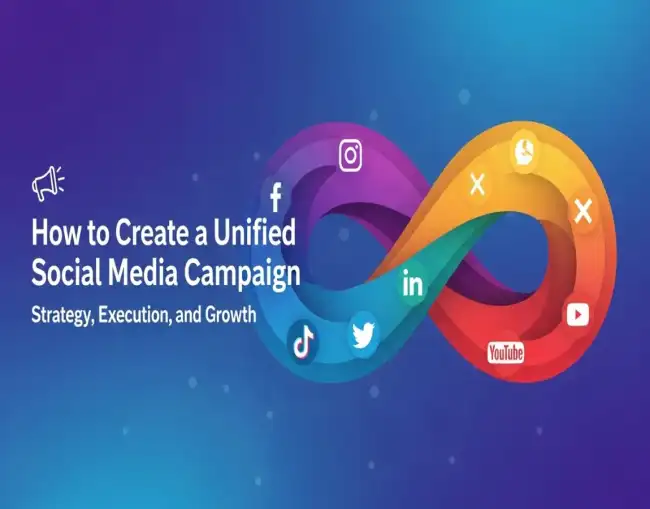
This article provides a complete guide to planning, creating, and executing a unified campaign that aligns your brand identity while adapting to the behaviors, algorithms, and strengths of TikTok, Instagram, Facebook, Twitter/X, LinkedIn, and YouTube.
Step 1: Define Your Core Message and Goal
Before choosing platforms or designing posts, define your campaign objective. Is it:
-
Raising brand awareness?
-
Promoting a product launch?
-
Growing email subscribers?
-
Driving website traffic?
-
Building a community?
Once the goal is clear, craft your core campaign message—a one-sentence idea that summarizes what you’re saying and why it matters.
Example: “Let’s make self-care a daily habit, not a luxury.”
This message becomes the anchor for every post, visual, video, and caption across all platforms.
Step 2: Know Your Audience on Each Platform
Your target audience may overlap across platforms, but their behavior and expectations differ:
-
Instagram: Visual storytelling, Reels, carousel posts, aesthetics.
-
TikTok: Fast-paced video, trends, humor, and authenticity.
-
Facebook: Community-based updates, events, groups, older demographics.
-
YouTube: In-depth video content, tutorials, reviews, SEO-rich content.
-
LinkedIn: Professional updates, thought leadership, B2B strategy.
-
Twitter/X: News, opinions, real-time updates, short-form text.
By understanding these differences, you can adapt your content to speak to users in the way they expect without diluting your brand voice.
Step 3: Build a Centralized Campaign Toolkit
To keep your message and visuals consistent, build a campaign toolkit that includes:
-
Brand voice guidelines (tone, emojis, language dos/don’ts)
-
Hashtag lists for each platform
-
Visual templates (color palette, logo usage, overlays)
-
Video intro/outro elements
-
Campaign slogan and variations
-
Target post formats for each channel (e.g., 9:16 vertical video for TikTok, 1:1 for Instagram feed)
This toolkit acts as the creative control center that ensures unity even as content varies from platform to platform.
Step 4: Plan Content for Each Platform
Now comes the key: crafting content that’s platform-optimized but still carries the same core message.
-
Instagram: Use Reels to grab attention, carousels for storytelling, and polls/stories for engagement.
-
TikTok: Use trending sounds, share behind-the-scenes edits, and emphasize authenticity and humor.
-
Facebook: Post campaign summary videos, create event invites, and share testimonials in longer captions.
-
Twitter/X: Share short, punchy campaign quotes, create threads explaining your campaign, and engage in real-time.
-
YouTube: Create campaign trailers, vlogs, or tutorials related to the theme. Use Shorts for mobile-first reach.
-
LinkedIn: Share insights behind the campaign strategy, highlight team efforts, and use professional storytelling.
This step ensures you’re playing to each platform’s strength while reinforcing your message from different angles.
Step 5: Create a Content Calendar and Schedule
Build a campaign calendar that outlines content themes, platform-specific versions, posting times, and calls-to-action. Use tools like Notion, Trello, Hootsuite, Buffer, or Later to keep everything organized.
Stagger content releases to create anticipation. For example:
-
Monday: Launch a teaser on TikTok.
-
Tuesday: Post a detailed YouTube video.
-
Wednesday: Share an Instagram post + Story.
-
Thursday: Host a live Facebook Q&A.
-
Friday: Start a conversation on Twitter.
Step 6: Encourage Cross-Platform Discovery
Your campaign becomes more powerful when users move between platforms. Here’s how:
-
Add CTAs like, “Watch the full breakdown on YouTube” or “Check our behind-the-scenes on Instagram Stories.”
-
Use consistent handles and bios with clickable links.
-
Run contests that require engaging with multiple platforms.
-
Use a link-in-bio tool like Linktree or Beacons to simplify multi-linking.
Step 7: Monitor Metrics and Adjust in Real-Time
Measure platform-specific performance while keeping your eye on campaign-wide impact. Track key metrics like reach, click-through rate (CTR), engagement, and conversions using each platform's native analytics tools. If a piece of content underperforms, tweak it. If something overperforms, amplify it.
Step 8: Repurpose, Don’t Repeat
Recycling content doesn’t mean lazily reposting. Instead, repurpose the core idea into new formats:
-
Turn a YouTube video into a series of Reels.
-
Convert an Instagram carousel into a Twitter thread.
-
Transform a blog post into a LinkedIn article and infographic.
-
Edit TikTok snippets into YouTube Shorts.
Step 9: Involve Influencers and Your Community
Social media thrives on social proof. Boost your campaign by:
-
Collaborating with influencers across platforms.
-
Featuring user-generated content (UGC).
-
Hosting creator challenges or giveaways.
When people feel part of your message, engagement skyrockets.
Step 10: End Strong with a Unified CTA and Wrap-Up
Don’t let the campaign fade away. End with a "thank you" message, share final stats, feature community shoutouts, and provide a clear call to the next action (subscribe, buy, follow). Celebrate publicly and leave your audience feeling appreciated.
Conclusion: Unity Wins Attention
A unified social media campaign means starting with a core message and strategically adapting it for each audience to create a journey that users can follow across platforms.
In today’s noisy online world, consistency + creativity = clarity. And clarity always wins.
Be the first creator to share your take on this story.