
Key Takeaways
-
Work Smarter: Repurposing content saves time, increases ROI, and ensures consistent brand messaging across platforms.
-
Platform-Specific Strategy: Each social media platform has a unique format, audience behavior, and engagement style—repurpose accordingly.
-
Pillar to Micro: Core content (e.g., a YouTube video or blog post) can be broken down into micro-content for Instagram, TikTok, Twitter, LinkedIn, and more.
-
Maximize Reach: Smart repurposing extends content lifespan, boosts SEO, and helps reach broader audiences with minimal extra effort.
-
Use the Right Tools: Tools like Canva, CapCut, and Descript can streamline the repurposing workflow.
-
Build a System: A well-planned content repurposing system ensures maximum visibility and engagement across the digital ecosystem.
Introduction: Don’t Just Create—Repurpose
In the fast-paced world of digital marketing and content creation, the demand for fresh, engaging content is relentless. But that doesn’t mean you need to constantly start from scratch.
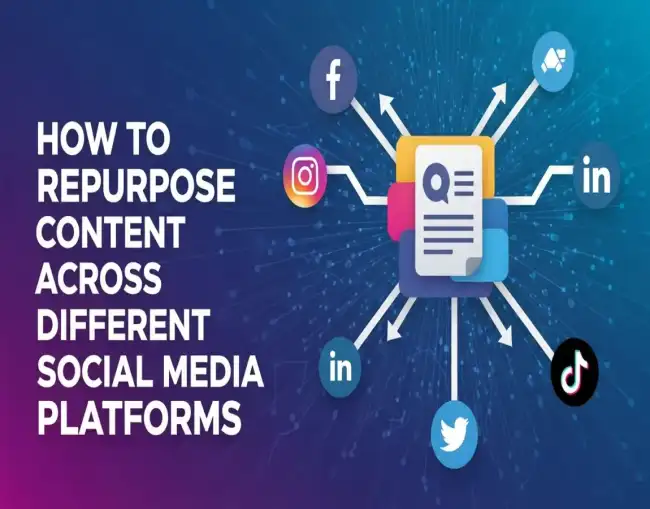
Enter content repurposing—the strategic process of taking one piece of content and adapting it for multiple platforms, formats, and audiences. It’s a time-saving, brand-building, and algorithm-hacking tactic used by top creators, marketers, and brands.
This article explores how to repurpose content effectively across different social media platforms, giving you practical techniques, templates, and platform-specific strategies for turning one idea into a content powerhouse.
1. What Is Content Repurposing?
Content repurposing is the act of transforming one core piece of content into several new forms tailored to different platforms.
For example, a single 10-minute YouTube video can become:
-
3 TikTok clips
-
2 Instagram Reels
-
1 quote graphic for LinkedIn
-
A carousel post on Instagram
-
A Twitter thread
-
A Pinterest infographic
-
A blog post
-
An email newsletter
Rather than "reposting" the same exact thing everywhere, you reimagine the content natively for each platform’s tone, format, and user behavior.
2. Why Repurposing Is Crucial for Creators and Brands
-
Saves time and energy: Less content creation, more distribution.
-
Increases content lifespan: Evergreen content lives longer across platforms.
-
Boosts reach and impressions: Different people consume content on different platforms.
-
Improves SEO and discoverability: More formats = more chances to be found.
-
Maximizes ROI: Stretch the value of every piece of content you produce.
Smart repurposing means you work smarter, not harder.
3. Understand Each Platform’s Content Style
Before repurposing, understand what works where:
-
TikTok: Vertical, short-form, entertaining or educational, trending audio.
-
Instagram: Visuals, lifestyle, curated aesthetic, Reels, Stories, and Carousels.
-
YouTube: Long-form, in-depth, searchable content like tutorials, vlogs, and reviews.
-
Twitter/X: Concise thoughts, threads, commentary, and real-time updates.
-
LinkedIn: Professional insights, thought leadership, career wins, and industry analysis.
-
Facebook: Shareable videos, event promotion, community posts, and live streams.
-
Pinterest: Visual guides, how-tos, infographics, and step-by-step content.
4. Start with Core (Pillar) Content
Pillar content is your foundation—typically long-form and high-effort, such as:
-
A blog post
-
A YouTube video
-
A podcast episode
-
A webinar or live stream
-
A case study
From this single asset, you can create dozens of micro-content pieces.
5. How to Repurpose Content for Each Platform
TikTok
-
Extract funny, emotional, or surprising moments from long-form content.
-
Add trending audio or memes to boost discoverability.
-
Turn a single tip from a podcast or blog into a 15-second educational clip.
-
Convert blog takeaways into carousels using tools like Canva.
-
Turn key video clips into Reels.
-
Post BTS (behind-the-scenes) of content creation as Stories.
-
Re-share testimonials, stats, or quotes as feed graphics.
YouTube
-
Use Instagram Q&As or TikTok comments as content inspiration for in-depth videos.
-
Republish your webinar or livestream.
-
Create Shorts from existing long-form videos.
Twitter/X
-
Share bite-sized insights or quotes from a blog post.
-
Start threads that break down longer content.
-
Ask questions based on your content theme.
-
Turn blog posts or case studies into thought-leader posts.
-
Share personal lessons learned from your content.
-
Create a SlideShare version of your carousel post.
-
Pin visuals from your blog, product page, or video.
-
Use vertical images and infographics.
-
Repurpose Instagram carousels into Idea Pins.
6. Batch Your Repurposing Process
Save time by repurposing in batches:
-
Create the pillar content (e.g., podcast or video).
-
Extract key moments: timestamps, quotes, stats, FAQs.
-
Assign platform formats: Which snippets work best for TikTok, IG, etc.?
-
Design assets in bulk using templates.
-
Schedule with tools like Buffer, Later, or Hootsuite.
7. Tools That Make Repurposing Easier
-
Descript: Turn videos into text, audio snippets, and captions.
-
CapCut: Easy vertical video editing with captions and templates.
-
Canva: Design templates for quotes, carousels, Stories, and infographics.
-
Repurpose.io: Automate distribution of content across platforms.
-
Otter.ai: Transcribe spoken content for repurposing into text.
-
Notion: Plan your repurposing system in a dashboard.
8. Best Practices for Repurposing
-
Adjust visuals and tone for each platform’s expectations.
-
Always optimize dimensions (e.g., 1080x1920 for vertical video).
-
Include subtitles for accessibility and silent viewing.
-
Add platform-relevant CTAs (e.g., “link in bio” vs. “see full video on YouTube”).
-
Track performance to learn what works best.
9. Repurposing Mistakes to Avoid
-
Posting the exact same content across all platforms.
-
Ignoring caption tone differences (LinkedIn ≠ TikTok).
-
Forgetting native formatting (wrong size, no captions).
-
Posting without a strategy (e.g., not linking back to the full content).
-
Not engaging after posting—comments and shares multiply your reach.
10. Real-Life Repurposing Examples
-
Alex Hormozi: Turns 30-minute YouTube deep dives into Instagram Reels, TikTok clips, Twitter threads, and LinkedIn insights.
-
HubSpot: Repurposes blog posts into YouTube explainers, Instagram infographics, LinkedIn stats, and Twitter how-to threads.
-
Jay Shetty: Transforms his podcast into Instagram Reels, YouTube Shorts, TikTok clips, Twitter quotes, and LinkedIn leadership posts.
11. Repurposing Strategy Template
-
Choose a pillar content piece.
-
Extract 5–10 key takeaways.
-
Match each point to a platform-specific format.
-
Design/Edit the micro-content in batches.
-
Schedule and publish across all platforms.
-
Monitor analytics and re-share top performers.
Conclusion: Multiply, Don’t Duplicate
In a world where consistency and visibility are everything, content repurposing gives creators and brands a massive edge. You don’t need to reinvent the wheel—you need to roll it across multiple platforms.
Start with one great idea. Repurpose it well. Win everywhere.
Be the first creator to share your take on this story.