
Key Takeaways
-
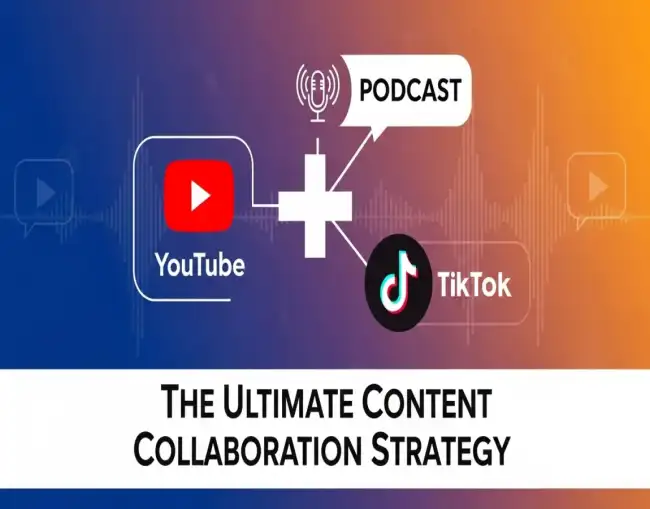
Combining podcasting, YouTube, and TikTok creates a high-impact, multi-format content ecosystem.
-
Podcasts offer long-form trust, YouTube delivers storytelling depth, and TikTok drives trend-based virality.
-
Repurposing podcast content into short-form and video formats multiplies reach and engagement.
-
Cross-platform synergy leads to greater discoverability, brand credibility, and monetization opportunities.
-
Successful collaborations across these platforms require planning, creative alignment, and smart content distribution.
-
Using tools like CapCut, Descript, and repurposing templates can streamline the workflow for creators and brands.
Introduction: The Age of Multi-Platform Content Creation
In the creator economy, success no longer comes from dominating a single platform—it comes from mastering a content ecosystem. And when it comes to content strategy, there’s no more powerful trio than Podcast + YouTube + TikTok.
These platforms each serve a different purpose, cater to different behaviors, and open up different monetization channels. When combined effectively, they create a powerful engine for attention, trust, influence, and income.
In this article, we’ll explore how creators and brands can strategically align these platforms into a unified content strategy and how to collaborate across them for maximum impact.
1. Why These Three Platforms?
Podcast (Trust & Intimacy)
-
The long-form format builds deep trust.
-
Perfect for thought leadership, interviews, and storytelling.
-
Listeners often stay engaged for 30+ minutes.
-
Ideal for nurturing audience loyalty and high-quality leads.
YouTube (Depth & Discoverability)
-
Searchable, SEO-friendly, and evergreen.
-
Video adds personality and visuals to your podcast.
-
Best for monetization via ads, memberships, and sponsorships.
-
Supports live streams, Shorts, and full episodes.
TikTok (Virality & Trend Culture)
-
Bite-sized content that’s perfect for clips and highlights.
-
Highly shareable with fast algorithmic growth.
-
Great for driving discovery and building hype.
-
Appeals to a younger, mobile-first audience.
Together, these platforms offer a top-to-bottom content funnel:
TikTok sparks interest. YouTube deepens engagement. Podcast builds trust and community.
2. The Content Funnel: How They Work Together
Let’s say you release a podcast episode every week. Here's how the integration works:
-
Podcast: You publish a 40-minute conversation about entrepreneurship.
-
YouTube: You film the podcast and upload the full video, plus 2-3 Shorts.
-
TikTok: You extract 15- to 30-second clips of funny, shocking, or insightful moments and post them with relevant trends or sounds.
Viewers who discover you via TikTok are funneled to YouTube for more content, and then to the podcast for full immersion in your message.
3. Planning a Cross-Platform Podcast Episode
-
Choose a Strong Topic: Pick a subject with viral potential, replay value, and room for breakout quotes or "mic drop" moments.
-
Record for Audio + Video: Use a dual setup to capture both high-quality sound and professional visuals. Tools like Riverside.fm or Zoom with a DSLR setup work well.
-
Identify Key Moments: During editing, tag memorable quotes, emotional reactions, unexpected stories, and relatable confessions. These are ideal for TikTok clips or YouTube Shorts.
-
Create a Repurposing Plan:
-
Full podcast audio → Spotify, Apple, Google
-
Full video → YouTube
-
Shorts → TikTok, Reels, YouTube Shorts
-
Carousel posts → Instagram
-
Quote graphics → LinkedIn/Twitter
-
Behind-the-scenes → TikTok or Stories
-
4. Best Collaboration Formats Using This Trio
-
a) Guest Collaboration Model: Invite a creator or influencer to your podcast. Post the full video on YouTube and repurpose moments to TikTok. The guest shares the content, providing organic cross-promotion and new exposure.
-
b) Clipped Conversation Model: Create 5–10 highlight clips from each podcast episode. Use them to tease content on TikTok, post as YouTube Shorts, and share as Instagram Reels.
-
c) TikTok-Driven Podcast Topics: Use viral TikTok comments, stitches, or trends as the topic of your next podcast. Credit the creators and drive engagement both ways.
-
d) Behind-the-Scenes (BTS) Crossover: Show how you prep for a podcast, set up cameras, or react to edits. These human moments often perform well on TikTok and Stories.
5. Tools to Make It Work
-
Descript: Transcribe podcasts, extract clips, and auto-generate captions.
-
CapCut or InShot: Edit vertical videos with text overlays for TikTok and Shorts.
-
Notion: Organize guest bookings, timestamps, and publishing schedules.
-
Buzzsprout/Anchor: Distribute podcast episodes across major audio platforms.
-
Canva: Design quote cards and carousel graphics from podcast content.
-
Repurpose.io: Automate the conversion of videos from YouTube to TikTok or Reels.
6. Example Weekly Workflow
-
Monday: Record 1 podcast episode (with video).
-
Tuesday: Edit the podcast and full YouTube video.
-
Wednesday: Upload audio to Spotify, Apple, etc.
-
Thursday: Upload the full video to YouTube and schedule 3 Shorts.
-
Friday: Post a TikTok highlight and tag your guest.
-
Saturday: Share an IG Reel with a top quote.
-
Sunday: Post a Twitter thread summarizing key takeaways.
This generates 7+ days of content from one episode, ideal for busy creators or lean marketing teams.
7. Case Studies of Successful Tri-Platform Creators
-
Colin and Samir: Their podcast, "The Colin and Samir Show," is supported by full episodes and Shorts on YouTube and behind-the-scenes clips on TikTok, building a loyal fanbase of creators.
-
Jay Shetty: His podcast, "On Purpose," is complemented by high-quality interviews on YouTube and viral quotes on TikTok, resulting in over 40M+ followers across platforms.
-
Emma Chamberlain: Her podcast, "Anything Goes," is a primary focus, with raw moments and audio clips shared on TikTok to maintain her massive cultural influence.
8. Benefits of a Multi-Platform Podcast Collaboration
-
Greater Discoverability: Each platform feeds into the other, bringing in new audiences.
-
Collaborative Growth: Guests or co-hosts promote content, increasing reach across all platforms.
-
Better Monetization: Diversify income with sponsored ads (Podcast), AdSense (YouTube), and affiliate marketing (TikTok).
-
SEO and Algorithmic Edge: TikTok boosts short-term virality, YouTube supports evergreen search traffic, and podcasts drive consistent downloads.
9. Common Mistakes to Avoid
-
Ignoring platform tone: What works on YouTube may feel too polished for TikTok.
-
Posting identical content: Repurpose, don’t just copy-paste.
-
Skipping captions: Most viewers watch without sound, especially on TikTok.
-
Failing to cross-promote: Always mention your other channels and link between them.
-
Overcomplicating production: Start with a basic setup. Quality improves with consistency.
Conclusion: The Smartest Content Creators Go Tri-Platform
Creators and brands who want to scale their influence and income must think beyond one platform. The most impactful digital voices leverage the intimacy of podcasts, the depth of YouTube, and the virality of TikTok together.
By aligning your message, repurposing wisely, and collaborating intentionally, you can build a content empire that engages, converts, and inspires everywhere your audience scrolls, taps, or listens.
Record once. Repurpose everywhere. Impact always.
Be the first creator to share your take on this story.