
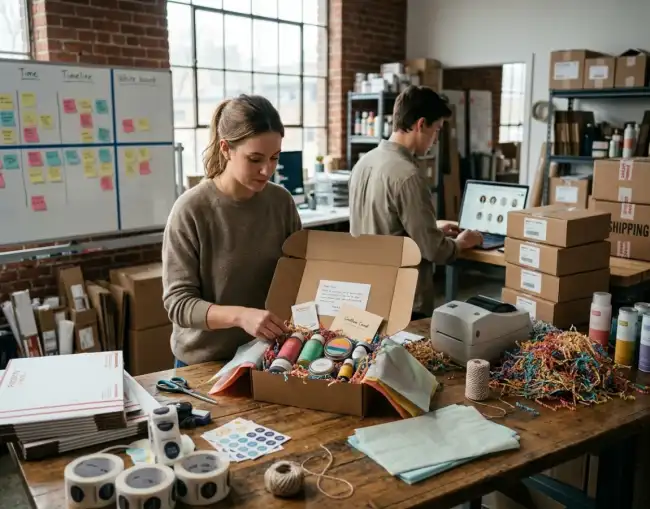
The landscape of modern product marketing has undergone a seismic, irreversible shift. Gone are the days when a newly minted startup could rely exclusively on glossy digital ad spend, programmatic banners, and cold media buying to break through the deafening noise of the digital marketplace. Consumer fatigue toward traditional advertising has reached an all-time high, with ad-blocker adoption rates soaring and algorithmic feeds prioritizing peer-to-peer authenticity over corporate broadcasting. For founders and CMOs embarking on a high-stakes startup product launch, capturing initial market share requires a fundamentally different playbook—one rooted in genuine human connection, trust transfer, and community resonance.
Enter the ecosystem of creator collaboration, where the modern consumer looks to niche creators rather than corporate PR campaigns to validate their purchasing decisions. Among the most potent, capital-efficient engines in this ecosystem is the micro-influencer seeding program. By dispatching thoughtfully curated, unprompted product packages directly to creators who genuinely align with a brand’s ethos, startups can orchestrate organic, high-converting buzz without the friction of rigid, expensive upfront contracts. This methodology turns unboxing moments into powerful social proof, anchoring a fledgling enterprise firmly in the cultural conversation and accelerating brand awareness startup strategies from day zero.
However, executing a successful seeding initiative is not merely a matter of throwing free merchandise into the mail and hoping for the best. It requires meticulous research, personalized outreach, relationship nurturing, and a sophisticated operational framework that scales. As we explore the mechanics, strategic blueprints, and nuanced pitfalls of building your own seeding engine, you will discover how to transform micro-creators into your most passionate, organic brand advocates, laying the groundwork for sustainable growth and long-term market dominance.
Foundational Principles and Mechanics of Influencer Seeding
At its core, influencer seeding—frequently executed through a targeted micro influencer seeding campaign—is the practice of gifting free products to carefully vetted content creators with the explicit expectation of *nothing*. Unlike traditional sponsored posts where deliverables, usage rights, and posting schedules are legally bound by contract, a seeding strategy relies on the principle of reciprocity and authentic delight. When a creator receives a beautifully packaged, hyper-relevant product that solves a real pain point or appeals to their aesthetic, the natural human impulse is often to share that experience with their audience. This shifts the marketing narrative from an intrusive advertisement to an organic recommendation.
Understanding the distinction between macro-influencers and micro-influencers is critical for early-stage companies operating with lean marketing budgets. While macro-influencers command massive follower counts, their engagement rates are frequently diluted, and their audiences are broad and unfocused. Conversely, micro-influencers—typically boasting between 10,000 and 100,000 followers—operate within hyper-specific niches. Their communities are deeply engaged, highly trusting, and look to them as domain experts. When a micro-influencer showcases a product in their daily vlog or aesthetic grid post, it carries the weight of a trusted friend’s advice rather than a paid celebrity endorsement.
The mechanics of a seeding program operate on a top-of-funnel discovery model that feeds a mid-funnel conversion loop. It begins with data-driven identification, moves through logistics and unboxing optimization, and culminates in user-generated content (UGC) repurposing. By mastering these mechanics, startups can build a continuous engine of earned media value (EMV) that scales organically. As the creator economy matures, we also see fascinating crossovers where successful partnerships evolve into deeper equity alignments, echoing principles explored in The Future of Creator Equity: Why Influencers Are Becoming Founders, where creators transition from external promoters to core stakeholders in the brand's success.
Phase 1: Defining Your Target Niche and Creator Persona
Mapping Your Ideal Customer Profile to Creator Audiences
Before a single box is packed, you must establish absolute clarity regarding who your product is built for and which creators hold sway over their attention. Your Ideal Customer Profile (ICP) must be translated into an Influencer Persona. If your startup is launching a direct-to-consumer sustainable skincare line for Gen Z professionals, your creators should not merely be beauty vloggers; they must be advocates for zero-waste living, clean beauty educators, or minimalist lifestyle curators who speak directly to your ICP’s values.
Conduct deep social listening across platforms like TikTok, Instagram, and specialized community forums to identify the micro-creators your target audience already follows. Analyze not just their follower counts, but the qualitative nature of their comment sections. Are followers asking for product links? Are conversations thoughtful and engaged? By aligning your product with creators whose content style, tone, and values mirror your brand identity, you ensure that when the seeding package arrives, it feels like a natural extension of the creator's daily life.
Establishing Strict Vetting Criteria Beyond Follower Counts
A common trap for startup founders is becoming overly enamored with follower metrics. In the world of micro-influencers, engagement rate and audience authenticity are the ultimate currency. You must implement a rigorous vetting process that evaluates audience demographics, historical engagement trends, and content safety. Use creator discovery tools to audit follower authenticity, ensuring that the creator has not inflated their numbers through engagement pods or bot networks.
Look closely at the creator’s posting frequency, content quality, and brand safety history. Have they previously promoted direct competitors? Does their aesthetic align with your startup's visual identity? Establishing a scoring matrix that ranks potential creators based on engagement rate, niche relevance, content style, and audience geo-location will save your team countless hours and ensure your physical inventory lands in the hands of creators who can actually move the needle.
Phase 2: Building and Scaling Your Creator Database
Sourcing Tools and Manual Discovery Techniques
Building a robust database of hundreds or thousands of micro-influencers requires a hybrid approach combining automated software and manual grassroots discovery. While creator marketing platforms like Upfluence, Grin, or CreatorIQ can accelerate your search using advanced filters, manual discovery on platforms like TikTok and Instagram often yields hidden gems who have not yet been saturated by generic PR packages. Explore relevant hyper-niche hashtags, analyze competitor follower and tag lists, and examine algorithmic recommendation feeds.
Once potential candidates are identified, compile their data into a centralized CRM or master spreadsheet. Track critical fields including their full name, preferred shipping address, primary social media handles, email contact, niche category, estimated engagement rate, and specific content themes. Maintaining meticulous records at this stage prevents embarrassing administrative errors, such as sending duplicate packages or misgendering a creator during outreach.
Managing Outreach, Address Collection, and Relationship Warm-Up
The transition from a raw database entry to a warm creator contact is a delicate process. Before dumping products into the mail, it is often wise to "warm up" the creator. Engage authentically with their public content—leave thoughtful comments on their posts, share their stories if relevant, and demonstrate genuine appreciation for their work. This ensures your name is familiar when you finally reach out.
When requesting shipping details for a seed package, keep your communication concise, highly personalized, and devoid of corporate jargon. Never demand a post in exchange for free product; doing so instantly transforms an organic seeding gesture into an awkward, transactional negotiation. Instead, express admiration for their specific content style, explain briefly why you think they would love your new product launch, and ask if they would be open to receiving a complimentary sample box. Utilizing secure address collection forms protects creator privacy and streamlines fulfillment logistics.
Phase 3: Crafting the Ultimate Unboxing and Seeding Experience
Designing Memorable Packaging and Sensory Brand Touchpoints
In the age of social media, the unboxing experience *is* the marketing. When a micro-influencer receives a package, the visual and tactile presentation dictates whether the product makes it onto their Instagram Story or sits unopened in a corner. Invest in custom packaging that reflects your brand’s premium positioning—think bespoke boxes, custom tissue paper, branded tape, and tactile textures that delight the senses from the moment the tape is cut.
Consider the psychological impact of unboxing. Every layer of the package should tell a story about your startup’s mission and product craftsmanship. If your product is eco-friendly, use biodegradable packing peanuts and plantable seed paper for your insert cards. Small, thoughtful details create an emotional peak moment for the creator, exponentially increasing the probability that they will pick up their phone and share the experience with their followers.
Writing Compelling Personalization and Founder Notes
Never underestimate the power of a handwritten note from the founder. In a world saturated with automated emails and mass corporate gifting, a physical, handwritten card bearing the founder’s signature and personalized references to the creator’s recent content cuts through the noise like nothing else.
Your note should express genuine gratitude for the creator’s work, explain the inspiration behind the product, and invite them to share their honest feedback—good or bad. Crucially, the note must reiterate that there are no strings attached and no posting obligations. This complete lack of pressure disarms creators, fostering a deep sense of psychological safety and genuine affection for your brand. Often, this authentic goodwill translates into far more enthusiastic and sustained coverage than any mandatory contract ever could.
Phase 4: Tracking, Analyzing, and Measuring Seeding ROI
Attribution Models for Earned Media and Unprompted UGC
Measuring the return on investment of a micro influencer seeding campaign requires a shift in analytical mindset. Because seeding does not involve direct affiliate links or tracking pixels in traditional ad placements, you must track proxy metrics and earned media value (EMV). Monitor metrics such as volume of unprompted unboxings, total impressions generated, reach, engagement spikes on branded tags, and website traffic surges originating from social channels.
Utilize social listening tools to track brand mentions, tagged photos, and hashtag usage in real time. Assign monetary values to earned media impressions based on industry benchmark CPM rates to quantify the PR value generated by your seed packages. Furthermore, equip high-performing creators with exclusive tracking codes or customized affiliate links *after* they have organically posted, converting successful seed recipients into long-term brand ambassadors.
Repurposing User-Generated Content for Paid Social and Owned Channels
The secondary value of a successful seeding campaign often eclipses the primary organic reach. The high-quality user-generated content (UGC) produced by micro-influencers serves as an incredible asset library for your startup's owned channels and paid social advertising campaigns. Authentic creator videos consistently outperform polished studio-grade advertisements on platforms like TikTok and Meta.
Establish a standard operating procedure to reach out to creators whose unboxing videos performed well, offering to compensate them for usage rights to run their organic video as a Spark Ad or whitelisted ad. This symbiotic approach allows startups to scale their paid acquisition efforts using high-converting, trust-building creator content that resonates deeply with cold audiences, drastically lowering customer acquisition costs (CAC).
Phase 5: Cultivating Long-Term Brand Partnerships
Transitioning Seed Recipients to Brand Ambassadors and Affiliates
A seeding campaign should never be viewed as a one-off transactional event; rather, it is the top of your talent acquisition funnel. Once you identify creators who genuinely love your product and whose audience responds enthusiastically to their posts, initiate conversations to deepen the relationship. Invite them into formal ambassador programs, offer tiered affiliate commissions, or collaborate on limited-edition product co-creations.
Long-term creator relationships build enduring brand equity. When an audience sees a micro-influencer repeatedly using and advocating for your product over a period of months or years, the association becomes permanent. This turns transient launch buzz into a durable, compounding competitive advantage that protects your startup from shifting ad auction prices and algorithmic volatility.
Building Community Ecosystems and Exclusive Creator Perks
To retain top-tier micro-influencers, elite startups build exclusive communities—such as private Discord servers, WhatsApp groups, or Slack channels—specifically for their creator network. Inside these communities, creators get early access to upcoming product roadmaps, exclusive feedback sessions with the founding team, and invitations to brand-hosted experiential events.
By making creators feel like insiders and valued stakeholders in the brand's journey, you foster profound brand loyalty. These creators will naturally champion your future product launches, weather potential PR storms alongside you, and act as an extension of your internal marketing team, driving sustainable growth for years to come.
Real-World Case Studies and Execution Scenarios
To ground these strategic principles in reality, let us examine two contrasting execution scenarios within the hyper-competitive direct-to-consumer beverage startup sector.
Scenario A: The Precision Seeding Triumph (Sustained Growth)
A functional beverage startup launching a natural adaptogenic sparkling water chose to execute a hyper-targeted micro influencer seeding campaign rather than spending their entire seed round capital on flashy agency fees. They meticulously mapped 250 micro-creators in the health, wellness, and productivity niches—focusing strictly on creators with 15k to 50k followers and engagement rates exceeding 4.5%.
Instead of generic mass-mailed boxes, they designed a custom insulated cooler box containing the beverages, a personalized handwritten note from the founder referencing specific podcast episodes the creators had recently recorded, and a branded journal. The unboxing aesthetic was immaculate. The result? Over 65% of the recipients posted unprompted Instagram Stories or TikTok reviews within 72 hours of delivery. The resulting UGC was subsequently whitelisted for paid ad campaigns, dropping the startup's customer acquisition cost by 42% and driving a completely sold-out initial production run within three weeks.
Scenario B: The Mass-Blasting Failure (Wasted Capital)
Conversely, a competing snack startup launched their product by purchasing a list of 2,000 lifestyle influencers across broad categories and shipping them generic cardboard boxes with a cold, templated press release demanding an Instagram post upon receipt. The results were disastrous. Over 40% of the packages were sent to outdated addresses, resulting in costly return-to-sender fees. Of the packages that did arrive, creators felt insulted by the demanding tone and lack of personalization.
Fewer than 2% of recipients posted about the product, and several influential creators publicly called out the brand on social media for presumptive outreach and poor sustainability practices regarding excessive packaging waste. The campaign burned through $50,000 in inventory and logistics costs with virtually zero earned media value to show for it, nearly crippling the startup's marketing runway before their official public rollout.
Critical Mistakes and How to Avoid Them
Navigating the nuances of influencer seeding requires avoiding several costly pitfalls that trap unwary startup founders. Here are the top five most critical mistakes and their precise countermeasures:
- Mistake: Demanding Post Commitments for Free Product.
Countermeasure: Honor the spirit of gifting. Seeding is about building organic goodwill, not extracting forced labor. Focus on curation and product excellence so creators *want* to share voluntarily. - Mistake: Chasing Vanity Metrics Over Niche Relevance.
Countermeasure: Prioritize engagement rates, audience demographics, and qualitative content alignment over raw follower counts. A creator with 15,000 engaged fans in your exact niche is infinitely more valuable than a macro-influencer with 500,000 disengaged followers. - Mistake: Neglecting Package Presentation and Unboxing Logistics.
Countermeasure: Treat every seed box as a premium retail experience. Invest in custom packaging, tactile textures, and personalized touches like handwritten founder notes. - Mistake: Failing to Track and Repurpose Resulting Content.
Countermeasure: Implement robust social listening and establish workflows to secure usage rights for high-performing organic UGC to power your paid acquisition channels. - Mistake: Treating Seeding as a One-Off Transaction.
Countermeasure: Build long-term relational pipelines. Convert successful seed recipients into ongoing brand ambassadors, affiliate partners, and community insiders.
Comprehensive Comparison Table: Seeding vs. Paid Sponsorships
| Strategic Dimension | Micro-Influencer Seeding Program | Traditional Paid Sponsorship |
|---|---|---|
| Upfront Financial Cost | Low (Product cost + shipping and packaging) | High (Flat fees per post plus usage rights) |
| Content Authenticity | Very High (Unprompted, organic testimonials) | Moderate to Low (Recognizable sponsored ads) |
| Deliverable Certainty | Low (Posting is voluntary and not guaranteed) | High (Enforced via legal contracts and SLAs) |
| Audience Trust Factor | Maximum (Peer recommendation dynamic) | Reduced (Viewers recognize commercial intent) |
| Scalability Potential | High when systematized via CRM and logistics | Limited by strict per-creator budget ceilings |
| Long-Term Brand Equity | Exceptional (Builds genuine brand advocates) | Transactional (Ends when contract concludes) |
Frequently Asked Questions
What is the ideal product value range for a micro-influencer seed package?
The ideal retail value of a seed package generally falls between $50 and $150. This threshold is high enough to feel like a generous, premium gift that excites the creator, yet low enough to keep your customer acquisition and inventory costs sustainable. If your core product retails below this range, curate a bundle of multiple items or introduce exclusive pre-launch accessories. If your product is high-ticket (e.g., consumer electronics or luxury furniture), consider offering specialized loaner programs or deep VIP discounts rather than full outright gifting.
How many seed packages should a startup send out for a product launch?
For an early-stage startup, a pilot batch of 100 to 250 carefully vetted creators is the sweet spot. This volume is large enough to yield statistically significant posting rates and unboxing content, yet small enough to allow your team to maintain rigorous personalization, such as writing handwritten notes and verifying shipping addresses manually. Once your operational logistics, fulfillment workflows, and response tracking systems are optimized, you can scale your program to 500 or 1,000+ monthly seed recipients.
What should you do if a creator receives your product but does not post about it?
Do nothing—and that is entirely by design. Remember that the foundational premise of a true seeding program is that gifting carries zero posting obligations. Following up to demand or guilt-trip a creator into posting will instantly burn bridges and damage your startup’s reputation. Instead, analyze why they may not have posted (was the product irrelevant? was the packaging damaged?) and refine your creator targeting for the next wave. When founders respect creator boundaries, word travels fast within creator communities, establishing your startup as a classy, highly respected brand to work with.
How do you legally handle gifting disclosures for unprompted seed packages?
In many jurisdictions (such as the United States under FTC guidelines), if a creator receives a product for free without any financial compensation, contract, or posting requirement, and they choose to review it organically, they generally do not need a strict \#ad disclosure unless a material connection exists. However, once you reach out to reward them, offer affiliate commissions, or pay for usage rights of their UGC, FTC disclosure guidelines strictly require clear and conspicuous disclosures (such as \#gifted, \#sponsored, or \#partner). Always advise your creator network to remain compliant with local regulatory advertising standards once a commercial relationship is established.
Can micro-influencer seeding work for B2B startups, or is it strictly for B2C?
While micro-influencer seeding is exceptionally popular in B2C verticals like beauty, fashion, fitness, and food & beverage, the core mechanics can be brilliantly adapted for B2B startups and SaaS companies. In a B2B context, "influencers" take the form of respected industry thought leaders, niche newsletter authors, podcast hosts, and prominent LinkedIn creators. Instead of physical consumer products, B2B seeding involves gifting early, frictionless access to enterprise software tiers, bespoke physical welcome kits delivered to their home offices, or exclusive invitations to closed beta testing communities. By treating industry authorities with the same care and respect, B2B startups can unlock immense organic advocacy.
Strategic Roadmap and Final Takeaway
Executing a high-impact micro-influencer seeding program is not a tactical afterthought; it is a foundational brand-building discipline that bridges the gap between early-stage obscurity and breakout market momentum. By prioritizing genuine human connection, uncompromising product presentation, and strict niche relevance, startups can bypass the exorbitant costs of traditional ad spend and build an authentic army of organic advocates.
As you look ahead over the next 2 to 5 years, the creator economy will only become more decentralized and discerning. Consumers will continue to tune out polished corporate advertising in favor of peer-validated recommendations. Startups that master the art of influencer seeding today will possess a compounding engine of earned media, rich UGC libraries, and enduring brand equity. Take these blueprints, audit your target creator ecosystem, and begin sending out your first wave of seed packages—because the most powerful marketing campaign your startup will ever run starts with a single, beautifully wrapped box.
Be the first creator to share your take on this story.