
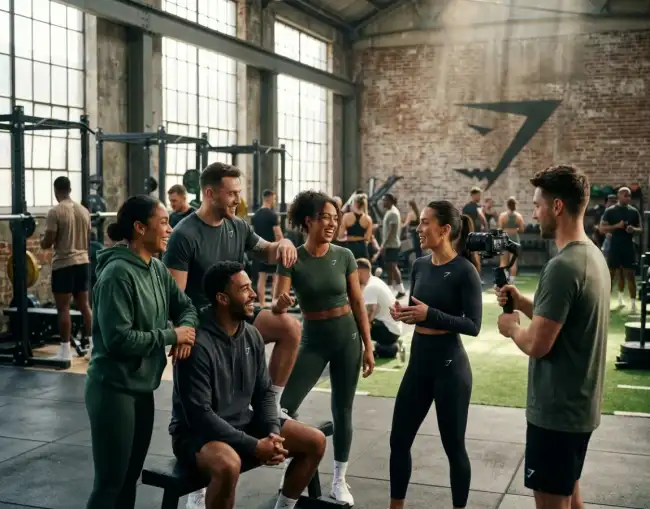
In the fiercely competitive landscape of modern direct-to-consumer commerce, few brands have achieved the meteoric, culturally defining ascension of Gymshark. Founded in a Worcestershire garage by a teenager with a sewing machine and a dream, the fitness apparel giant has rewritten the playbook on scaling through human connection. Long before venture capital-backed startups were burning holes in their balance sheets with bloated, traditional media buys, Gymshark recognized a paradigm shift: consumers no longer trust glossy, faceless corporate advertisements. Instead, they place their absolute trust in peers, athletes, and micro-influencers who sweat, struggle, and celebrate victories alongside them in local gyms.
This deep-seated reliance on peer validation forms the core of what we examine in this exhaustive brand spotlight. The modern digital economy demands an agile, community-first framework where marketing is no longer something a brand does to an audience, but rather something a brand builds with an advocate network. As creator economies mature and algorithm changes on platforms like Instagram, TikTok, and YouTube alter the rules of digital visibility, understanding the mechanics of community-driven marketing is no longer optional for growth-stage executives; it is an absolute survival imperative. Brands aiming to replicate this success must look beyond vanity metrics and understand how to foster genuine relational equity with creators.
Throughout this comprehensive masterclass, we will dissect the precise architecture that transformed Gymshark from a screen-printing side hustle into a multi-billion-dollar global juggernaut. We will explore the strategic transition from traditional transactional sponsorships to deeply integrated, long-term brand ecosystems. By breaking down the fundamental principles, step-by-step operational blueprints, real-world comparative scenarios, and critical pitfalls to avoid, this article serves as the definitive guide for marketers, founders, and digital strategists striving to harness the untapped power of authentic brand advocacy.
Foundational Principles and Mechanics of Community-Driven Marketing
Defining the Paradigm Shift from Transactional Ads to Relational Ecosystems
To understand the genius of Gymshark influencer marketing, one must first deconstruct the mechanics of traditional advertising versus community-driven ecosystems. Traditional digital marketing relies heavily on interruption: placing a banner, a pre-roll, or a sponsored feed post in front of a user who is actively trying to consume other content. This friction-heavy approach suffers from acute ad fatigue and rising customer acquisition costs (CAC). In stark contrast, community-driven marketing treats the brand as a natural extension of an existing subculture. Gymshark did not enter the fitness market by buying billboards; they embedded themselves directly into the daily habits of weightlifters, bodybuilders, and general fitness enthusiasts through the creators those individuals already idolized.
At the mechanical level, this requires establishing a relational ecosystem rather than executing isolated, one-off transactional campaigns. When a brand partners with a creator on a transactional basis, the relationship often feels hollow to the audience, resulting in low conversion rates and superficial engagement. Gymshark inverted this model by signing early-stage, passionate fitness creators—often referred to as "Gymshark Athletes"—and growing alongside them. As these creators scaled their subscriber bases and follower counts, their loyalty to Gymshark remained ironclad because the brand supported them during their nascent stages. This foundational loyalty creates a defensive moat that competitors cannot easily breach simply by throwing capital at top-tier mega-influencers.
The Psychology of Parasocial Relationships and Trust Transfer
Human beings are biologically wired to connect with other humans, not corporate entities. In the digital age, this psychological reality manifests as parasocial relationships—one-sided emotional bonds that consumers form with digital creators whom they watch on screens daily. Fans know what their favorite fitness vloggers eat for breakfast, what struggles they face in the gym, and how they overcome personal adversity. When a creator endorses a product, a psychological phenomenon known as "trust transfer" occurs. The trust, credibility, and affection that the audience holds for the creator are instantaneously transferred to the endorsed brand.
Harnessing trust transfer requires immense precision and absolute alignment in values. If a creator promotes a product that contradicts their public persona or fails to meet the quality expectations of their community, the trust transfer reverses, leading to severe backlash. Gymshark mastered this by ensuring that their fitness creator collaborations were never forced. They selected individuals who genuinely wore their apparel during intense workouts long before any formal contract was signed. This organic alignment ensures that when a creator showcases a seamless leggings collection or a moisture-wicking men's stringer, the endorsement feels less like a commercial break and more like a trusted recommendation from a knowledgeable training partner.
Mapping the Modern Fitness Creator Economy
The fitness creator economy is vastly heterogeneous, spanning across multiple tiers of influence, content formats, and platform algorithms. To execute an effective brand spotlight strategy, marketers must categorize creators not merely by follower counts, but by engagement depth, niche specificity, and community sentiment. Micro-influencers (ranging from 10k to 100k followers) frequently boast the highest engagement rates and the most intimate community connections, making them exceptional for driving high-intent conversions and localized brand awareness. Mid-tier and macro-influencers (100k to 1M+ followers) provide the broad reach and cultural cachet necessary to push a brand into the mainstream consciousness.
Furthermore, the diversification of content formats—from long-form YouTube documentary vlogs and workout tutorials to short-form TikTok transformation clips and Instagram carousel infographics—requires a multi-channel deployment strategy. Gymshark does not rely on a single content archetype. Instead, they orchestrate a symphony of touchpoints where a consumer might discover the brand through a short-form PR unboxing video on TikTok, research product durability via a long-form YouTube gym vlog, and finally convert after seeing a community member post a styled gym mirror selfie on Instagram. Building a personal brand that attracts high-paying sponsors automatically is often the goal of these creators, and aligning brand incentives with creator career aspirations creates a powerful symbiotic engine building a personal brand that attracts high-paying sponsors automatically within the overarching marketing architecture.
Step-by-Step Strategic Blueprint: Identifying and Vetting the Right Talent
Establishing Rigorous Vetting Metrics Beyond Vanity Metrics
The single most common failure point for brands entering the influencer space is an over-reliance on vanity metrics—specifically, follower counts and aggregate likes. In an era where follower inflation, automated engagement pods, and fake accounts are rampant, a high follower count can easily mask an entirely disengaged or ghost audience. To replicate Gymshark’s rigorous standards, brand managers must institute a multi-layered vetting process that evaluates audience authenticity, demographic alignment, and qualitative brand safety.
Start by auditing the creator’s audience growth trajectory over a 12-month period. Organic growth appears as a steady, upward-sloping curve, whereas sudden, unexplained spikes often indicate follower purchasing or inorganic engagement campaigns. Next, analyze the comment-to-like ratio and the qualitative nature of the comments. If an account with 200,000 followers receives 10,000 likes but only three generic, emoji-only comments per post, the engagement is highly suspect. True fitness community engagement is characterized by conversational depth: followers asking specific questions about workout routines, form, nutrition, and recovery.
Evaluating Niche Alignment and Audience Demographics
A fitness creator may have an impressive audience, but if their demographic makeup does not align with your product's core buyer persona, the partnership will yield dismal return on ad spend (ROAS). Vetting requires deep-dive audience insights gathered through third-party analytics platforms or direct media kit disclosures. Marketers must scrutinize geographic distribution, age brackets, gender ratios, and active engagement hours. For instance, launching a heavy powerlifting belt line through a yoga-focused flexibility creator will inevitably result in poor conversion rates, regardless of the creator's overall popularity.
Beyond quantitative demographics, cultural and values alignment must be thoroughly assessed. Gymshark looks for creators who embody the "Be a Visionary" ethos—individuals who demonstrate resilience, continuous self-improvement, and a positive impact on their local gym communities. Brand managers should conduct a comprehensive review of the creator’s historical content archive to identify any controversial statements, misaligned brand partnerships, or behavioral red flags that could trigger a public relations crisis. A thorough social media audit protects brand equity and ensures long-term collaborative stability.
Structuring Initial Outreach and Relationship-Building Protocols
Once high-potential creators are identified, the outreach phase dictates whether the collaboration begins on a collaborative footing or gets instantly ignored in an overflowing inbox. Generic, mass-blitz email templates are almost universally deleted by top-tier creators who receive dozens of sponsorship inquiries daily. Outreach must be hyper-personalized, demonstrating genuine familiarity with the creator's recent content, milestones, and personal training philosophy.
Begin by engaging organically with the creator’s content weeks before sending a formal pitch. Leave thoughtful, value-adding comments on their posts, share their educational fitness tips on brand social channels, and establish a familiar digital presence. When the pitch email is finally sent, it should clearly articulate the mutual value proposition: what the brand admires about their content, why their specific audience would love the product, and how the partnership will support the creator’s professional growth. Offering a no-strings-attached product seeding package is often the most effective foot-in-the-door strategy, allowing the creator to experience the apparel quality firsthand before any commercial negotiations begin.
Designing Long-Term Ambassador Programs and Retention Frameworks
Moving from Transactional Contracts to Lifetime Partnerships
The hallmark of Gymshark’s marketing dominance is their ability to transform promising fitness creators into lifelong brand ambassadors. While transactional whitelisting or pay-per-post arrangements have their place for product launches, they fail to build enduring brand loyalty. Long-term ambassador programs create stability for both the brand and the creator, allowing for deeper narrative arcs that resonate profoundly with consumers over multi-year periods.
To structure a lifetime partnership model, brands must implement progressive compensation tiers. As the ambassador drives higher sales volume, increases brand awareness, and demonstrates unwavering commitment, their financial compensation should scale accordingly. This includes base retainers, lucrative affiliate commission structures, performance-based bonuses, and even co-created capsule clothing collections. When a creator knows their financial future is intertwined with the brand’s success, their promotional efforts shift from contractual obligation to passionate, authentic advocacy.
Co-Creation Strategies and Exclusive Product Drops
One of the most powerful retention mechanics deployed by Gymshark is the co-creation of signature product lines and exclusive capsule drops with top-tier creators. By involving creators in the design process—choosing fabric blends, colorways, fit profiles, and custom branding tags—the brand grants them genuine ownership over the merchandise. This co-creation strategy transforms the creator into a designer and stakeholder, exponentially increasing their enthusiasm to promote the drop to their followers.
When an exclusive creator-led collection launches, it triggers intense psychological scarcity and urgency. Fans eager to support their favorite fitness icon rush to purchase the limited-edition items before they sell out, frequently resulting in massive traffic spikes that crash web servers—a phenomenon Gymshark has experienced and managed masterfully on numerous occasions. This strategy not only drives record-breaking revenue in a matter of hours but also cements the creator’s status as a dominant force within the industry, creating a win-win scenario of unprecedented magnitude.
Fostering Community Belonging Through Offline Activations and Pop-Ups
Digital marketing builds reach, but physical experiences build unbreakable loyalty. Gymshark recognized early on that online communities crave offline manifestation. This insight gave rise to their legendary pop-up stores, lifting meetups, and immersive fitness expos (such as the Gymshark Lifting Club events). These activations bring digital creators and their followers together in a physical space where they can train side-by-side, take photos, and share raw human energy.
Planning and executing successful offline activations require meticulous logistical coordination. Brand managers must secure high-capacity venues, design interactive fitness zones, establish seamless merchandise checkout systems, and orchestrate strict crowd management protocols. These events serve as incredible content generation engines: thousands of attendees post user-generated content (UGC) across TikTok and Instagram in real time, amplifying the brand’s reach exponentially without additional paid media spend. Cultivating these deep-seated professional relationships mirrors the principles discussed in expert networking frameworks, where true industry authority is forged through shared experiences and mutual support Influencer Voices: Top Creators Share Their Best Secrets for Unstoppable Networking across both digital and physical realms.
Amplifying Reach Through Omnichannel UGC and Social Media Engineering
The Mechanics of User-Generated Content (UGC) Flywheels
At the center of Gymshark’s digital footprint is a self-sustaining user-generated content flywheel. Traditional advertising requires a brand to continuously inject capital to produce and distribute new creative assets. Gymshark, however, empowers their army of athletes, micro-influencers, and everyday gym-goers to generate thousands of pieces of authentic content daily. This UGC is then curated, repurposed, and amplified across the brand’s primary social media channels.
The flywheel operates on a simple psychological feedback loop: an everyday gym member wears Gymshark apparel to the gym, takes a mirror selfie or records a workout set, tags the brand and their favorite athlete, and experiences validation when their post is liked, shared, or reposted by the official brand account. This social reward encourages more users to buy the apparel, create content, and tag the brand, driving down customer acquisition costs while flooding the digital ecosystem with social proof. Marketers must build structured incentives—such as community hashtag campaigns and feature spotlights—to keep this flywheel spinning at maximum velocity.
Mastering Platform-Specific Algorithmic Nuances
An omnichannel UGC strategy cannot be executed with a "one-size-fits-all" creative asset. Each social media platform possesses distinct algorithmic preferences, user behaviors, and content formats that must be respected to maximize organic visibility.
- Instagram: Dominates for polished visual aesthetics, high-resolution carousel workout guides, and daily story engagement via interactive Q&As and poll stickers.
- TikTok: Thrives on raw, unpolished, fast-paced video content that relies on trending audio, humor, and immediate hook-driven storytelling within the first three seconds.
- YouTube: Remains the undisputed king for deep-dive authority building, long-form documentary vlogs, comprehensive product reviews, and educational fitness programming.
- X (formerly Twitter) & Threads: Serve as real-time community engagement hubs for snappy banter, meme culture, customer service resolutions, and direct conversations with fans.
Data-Driven Optimization and Dynamic Content Iteration
Scaling a multi-million-dollar creator marketing program requires rigorous data analysis and rapid creative iteration. Gymshark’s marketing analytics teams do not rely on gut feeling; every creator post, discount code redemption, and affiliate link click is tracked in real-time through advanced attribution software. By analyzing which creator archetypes, video hooks, and product placements drive the highest conversion rates, the brand can dynamically reallocate budget and resources to maximize ROI.
Furthermore, this data feeds back into the product development and creative briefing loops. If data reveals that a specific fabric blend or colorway featured in a micro-influencer’s TikTok video generates an unprecedented surge in wishlist additions, supply chain teams can instantly pivot production forecasts. This agile integration between marketing intelligence and operational execution is what separates market leaders from stagnant competitors in the fast-paced apparel industry.
Real-World Case Studies & Scenarios: Success vs. Failure Analysis
To ground these strategic principles in reality, let us examine two contrasting scenarios: a textbook execution of community-driven influencer marketing versus a classic, costly corporate failure.
Scenario A: The Strategic Community Scale-Up (The Gymshark Blueprint)
An emerging athletic apparel brand wanted to break into the saturated running shoe and apparel market. Instead of allocating their $500,000 marketing budget to traditional Google Search ads and high-CPM billboard placements, they deployed a tiered community strategy. They identified 50 micro-influencer marathon runners and local run club leaders with passionate, highly engaged audiences ranging from 5k to 25k followers.
The brand shipped complimentary gear packages with personalized handwritten notes, establishing genuine personal relationships before discussing any commercial terms. Over six months, these 50 runners wore the gear during local races, shared training insights, and provided honest reviews to their communities. The brand then transitioned top-performing runners into official affiliate partners with unique discount codes. The result? A 4.2x ROAS, a self-sustaining UGC pipeline yielding over 1,200 unique content assets monthly, and a loyal customer base that organically defended the brand against critics online.
Scenario B: The Transactional Mega-Influencer Trap (The Corporate Misstep)
Conversely, a well-funded fitness supplement brand decided to bypass community building entirely. They spent their entire quarterly marketing budget hiring a single mega-influencer with 10 million followers for a one-off sponsored Instagram post. The post featured the influencer holding the product with a generic caption written by a corporate PR agency.
The campaign resulted in a massive spike in top-of-funnel website traffic that instantly crashed their checkout server due to poor technical preparation. More disastrously, the conversion rate was abysmal—less than 0.1%—because the influencer’s audience immediately recognized the post as a blatant, unauthentic cash grab. The comments section filled with mockery and accusations of selling out. The brand failed to capture customer data, secured zero long-term brand equity, and wasted hundreds of thousands of dollars on a hollow transaction.
| Strategic Dimension | Community-Driven Model (Gymshark Approach) | Transactional Mega-Influencer Approach |
|---|---|---|
| Primary Focus | Long-term relationships, shared values, and mutual growth. | Short-term reach, high follower counts, and immediate visibility. |
| Creator Tier | Mix of micro, mid-tier, and macro creators with hyper-engaged niches. | Exclusively mega-influencers and celebrities with broad, diverse audiences. |
| Content Style | Raw, authentic, educational, and integrated seamlessly into daily vlogs. | Polished, scripted, highly commercialized, and disruptive. |
| Audience Trust | Extremely high due to established parasocial credibility and consistency. | Low to moderate due to frequent commercial endorsements and lack of depth. |
| Return on Investment | Sustained, compounding ROAS with low customer acquisition costs over time. | High upfront cost with fleeting spikes and poor long-term retention. |
Critical Mistakes and How to Avoid Them
1. Treating Creators Like Billboards Instead of Creative Partners
The Mistake: Handing creators a rigid, corporate script and demanding exact adherence to strict brand guidelines, stripping the content of its natural voice and authenticity.
The Countermeasure: Provide loose creative briefs focused on key messaging pillars and product USPs, but give creators complete creative freedom to communicate the message in their own unique voice. Creators know their audience better than any corporate marketer ever will.
2. Ignoring Micro-Influencers in Pursuit of Celebrity Status
The Mistake: Blowing entire budgets on a handful of macro-influencers whose audiences are bloated, disengaged, and misaligned with the brand's niche.
The Countermeasure: Allocate the majority of partnership budgets toward a diversified tier of micro- and mid-tier influencers who boast high engagement rates and deep community trust within specific subcultures.
3. Failing to Establish Robust Attribution and Tracking Infrastructure
The Mistake: Launching influencer campaigns without unique affiliate discount codes, custom UTM tracking links, or dedicated landing pages, making accurate ROI calculation impossible.
The Countermeasure: Implement advanced creator relationship management (CRM) software and rigorous tracking protocols before launching any campaign to monitor click-through rates, conversions, and revenue generation down to the individual creator level.
4. Neglecting Long-Term Relationship Nurturing
The Mistake: Disengaging with creators immediately after a campaign concludes, treating them as disposable marketing assets rather than valued partners.
The Countermeasure: Build continuous engagement loops—including holiday gifting, exclusive product sneak peeks, regular check-ins, and tiered commission escalations—to foster lifetime brand advocacy.
5. Overlooking Brand Safety and Compliance Disclosures
The Mistake: Failing to enforce FTC (or regional regulatory body) compliance regarding paid partnerships, risking severe legal penalties and loss of consumer trust.
The Countermeasure: Establish mandatory compliance guidelines for all contracted creators, ensuring clear disclosure tags (such as #ad, #sponsored, or platform-native partnership tools) are used on every sponsored post.
Frequently Asked Questions (FAQ)
How did Gymshark initially scale its influencer marketing program without a massive initial budget?
Gymshark scaled its initial influencer marketing program by adopting a grassroots, relationship-first approach. During the brand's formative years, founder Ben Francis and his team personally reached out to bodybuilding and fitness YouTubers and athletes who shared their passion for lifting. Instead of paying exorbitant cash retainers they couldn't afford, they sent free apparel and built genuine personal friendships. These creators wore the gear in their workout videos because they genuinely loved the fit and quality, creating an organic wave of word-of-mouth marketing that required minimal capital investment.
What is the ideal balance between micro-influencers and macro-influencers in a community strategy?
The ideal balance typically leans heavily toward micro- and mid-tier influencers—roughly 70% to 80% of the overall creator roster—with the remaining 20% dedicated to macro-influencers and established brand ambassadors. Micro-influencers provide the high engagement rates, deep community trust, and localized conversions necessary for sustainable growth, while macro-influencers provide broader top-of-funnel reach and mainstream cultural credibility. Striking this balance ensures diversified traffic acquisition without draining financial resources.
How can a brand maintain creative authenticity when scaling influencer campaigns globally?
Maintaining authenticity while scaling globally requires decentralizing creative control to regional marketing teams and local creators. Global markets possess unique cultural nuances, training styles, and linguistic preferences that cannot be managed effectively from a single corporate headquarters. By empowering regional creators to adapt brand messaging to their local fitness subcultures, brands ensure that marketing campaigns resonate deeply and authentically with consumers across different international territories.
What metrics truly matter when evaluating the success of a fitness creator collaboration?
While follower count and impressions are useful for measuring top-of-funnel reach, true success in a community-driven strategy is evaluated through engagement depth (meaningful comments, shares, and saves), unique discount code redemptions, affiliate revenue generated, customer acquisition cost (CAC), and repeat purchase rates from referred customers. Tracking these bottom-line metrics provides an accurate picture of financial return on ad spend and long-term brand health.
How do co-created product lines impact creator loyalty and brand revenue?
Co-created product lines act as a monumental catalyst for both creator loyalty and brand revenue. When creators actively participate in designing apparel colorways, fits, and custom branding, they transition from external promoters to invested stakeholders. This deep ownership drives them to promote the launch with unparalleled enthusiasm. For the brand, these exclusive capsule drops create intense psychological scarcity, leading to massive, record-breaking sales spikes and cementing the brand's dominance in the market.
Strategic Roadmap and Final Takeaway
As we look toward the next two to five years, the digital marketing landscape will continue to evolve at breakneck speed. Artificial intelligence, virtual creators, shifting platform algorithms, and privacy regulations will fundamentally transform how brands discover, vet, and collaborate with talent. However, one fundamental truth will remain immutable: human beings will always crave authentic connection, community belonging, and trusted peer recommendations. Brands that treat marketing as a mechanical numbers game will continue to struggle with rising acquisition costs and consumer skepticism. Conversely, brands that emulate the community-driven ethos of Gymshark—prioritizing genuine relationships, creator empowerment, and shared cultural values—will build enduring market dominance.
To execute this strategic roadmap effectively, digital marketers and founders must take decisive action today. Begin by auditing your existing creator partnerships to separate transactional arrangements from true brand advocates. Invest in robust tracking infrastructure, establish transparent and progressive compensation models, and empower creators to tell your brand story in their own unique voice. By building a thriving community ecosystem rather than relying on disruptive advertisements, you will construct a resilient, high-converting brand that withstands algorithm changes, economic shifts, and industry competition for decades to come.
Be the first creator to share your take on this story.